
Choosing the right hair color can feel like navigating a maze. With countless shades, tones, and trends swirling around, it’s easy to get lost in the options. But did you know that your skin tone plays a crucial role in helping you find the perfect hue? Picking a complementary shade not only enhances your natural beauty but also boosts your confidence. So, whether you’re looking for a bold change or just a subtle refresh, understanding how to match your hair color with your skin tone is key. Let’s dive into this vibrant world of colors and discover how to make the best choice for you.
Understanding Your Skin Tone
Understanding your skin tone is the first step toward selecting a hair color that truly shines. Skin tones generally fall into three categories: fair, medium, and deep. Each category has its unique characteristics. Fair skin often appears porcelain or creamy. It may have freckles and can easily burn in the sun. Medium skin tends to have an olive undertone or a warm glow, while deep skin boasts rich hues ranging from golden brown to ebony. To further refine your choice, consider how your complexion reacts to sunlight. Does it tan easily? Or does it burn? These factors provide clues about whether you lean towards warmer or cooler tones.
Identifying Warm and Cool Undertones
Determining whether you have warm or cool undertones can transform your hair color journey. Understanding these tones is essential to finding the perfect shade that enhances your natural beauty. Warm undertones typically exhibit a golden, yellow, or peachy hue. If you tan easily in the sun and find that gold jewelry complements your skin beautifully, you’re likely in this category. On the flip side, cool undertones reveal pink, red, or bluish shades beneath the surface. People with cool tones often burn more easily and look radiant in silver accessories.
Matching Hair Colors to Skin Tones
Choosing the right hair color is about more than just aesthetics; it’s a reflection of your personality. The key lies in understanding how different shades interact with your skin tone. For those with warm undertones, think golden blondes and rich browns. These hues can enhance that sun-kissed glow, making you look vibrant. Cool-toned individuals shine in ashy blondes or deep blacks. These colors create a striking contrast that highlights your features beautifully. Consider eye color too. If you have green or hazel eyes, warm tones can make them pop. Meanwhile, blue-eyed beauties might find cooler shades to be incredibly flattering.
Best Hair Colors for Warm Undertones
If you have warm undertones, you’re in luck. Your skin radiates beautifully with the right hair color choices. Shades that mimic the warmth of your complexion will enhance your natural glow. Golden blonde is a fantastic option, adding brightness without overwhelming your features. Honey tones also work wonders, giving depth and richness to your overall look. Consider copper or auburn shades for a bolder transformation. These colors can create a striking contrast while still harmonizing with your skin tone. Caramel highlights are another great way to add dimension. They provide a sun-kissed effect that complements your warmth perfectly.
Best Hair Colors for Cool Undertones

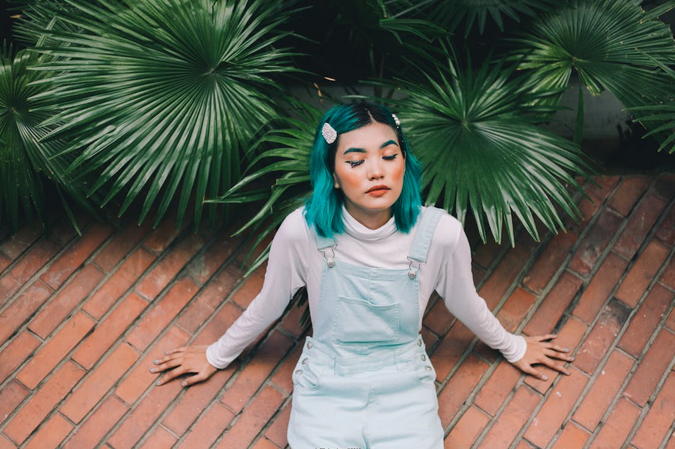
For those with cool undertones, the right hair color can make all the difference. Shades that complement your natural complexion will enhance your features and bring out your best qualities. Consider platinum blonde or icy silver. These shades offer a striking contrast against cooler skin tones, creating an eye-catching look. Ashy browns are also fantastic; they add depth without overwhelming your natural beauty. If you’re drawn to vibrant colors, go for jewel tones like deep blue or rich burgundy. These hues not only flatter but also provide a bold statement that reflects personality.
Choosing the right hair color can be an exciting yet daunting task. It’s all about finding a shade that enhances your natural beauty and complements your skin tone. By understanding whether you have warm or cool undertones, you can make informed decisions that will elevate your overall look. Remember to explore shades that resonate with your personal style while considering maintenance requirements. Your new hair color should not only make you feel beautiful but also fit seamlessly into your lifestyle.

 Imagine signing up for a medical procedure with a 50/50 chance of success. No thanks. But with plastic surgery, the risks are relatively low. In fact, most procedures have a 90 percent or higher success rate, especially if done by a baton rouge plastic surgeon. If you don’t believe us, just take a look at the number of celebrities who openly admit to getting work done.
 There you have the top five reasons to visit a plastic surgeon in 2022 that mark the end of this post. Whether you’re looking to boost your confidence, look younger, or get the body of your dreams, there’s a procedure out there that can help you achieve your goals. So, what are you waiting for? Schedule a consultation today and see what you can achieve with the help of a plastic surgeon.

 When making an online purchase, you must provide personal information such as your name, address, and credit card details. Scammers may try to steal this information and use it for fraudulent activities. Therefore, it is essential to protect your personal information by only shopping on secure websites or platforms and using a secure payment method. Avoid sharing your personal information with anyone, and if possible, use a virtual credit card number that expires after one use to prevent fraud.